Although for many years it was reserved mainly for severe medical cases, today hyperbaric oxygen therapy – HBOT is increasingly used as a support for conventional treatment of various conditions, and its numerous benefits are being discovered in everyday life.
But how exactly does it work and when can it help?
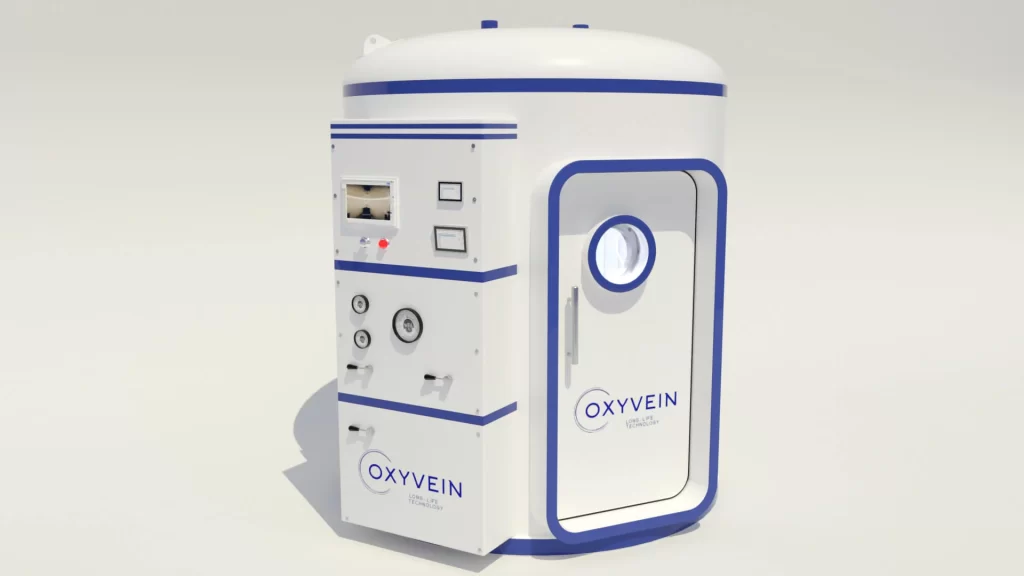
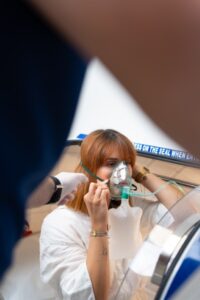
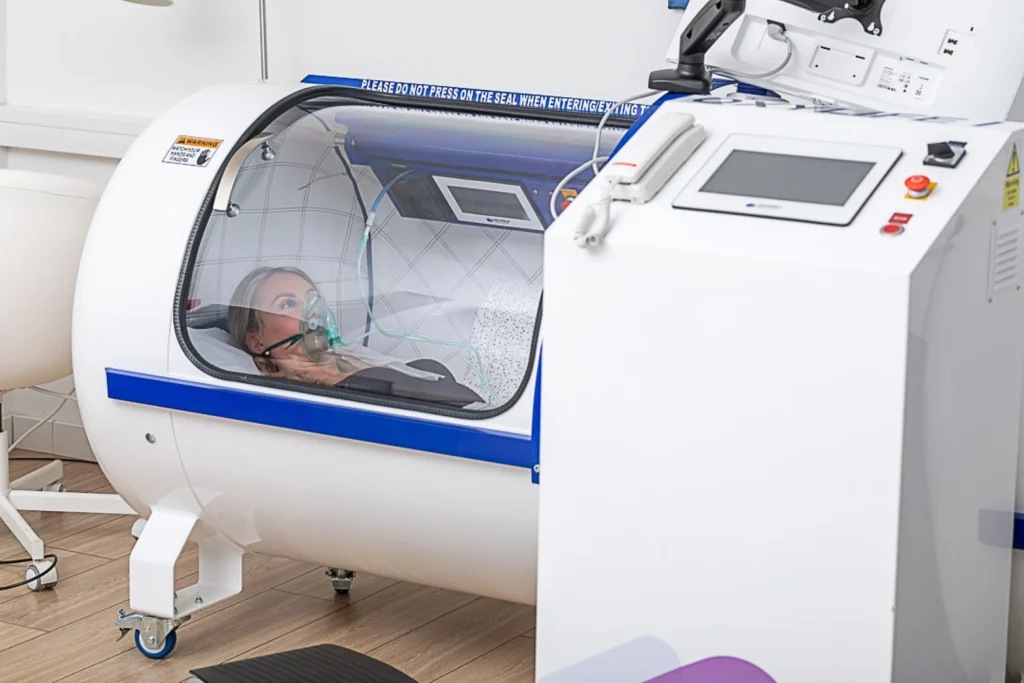
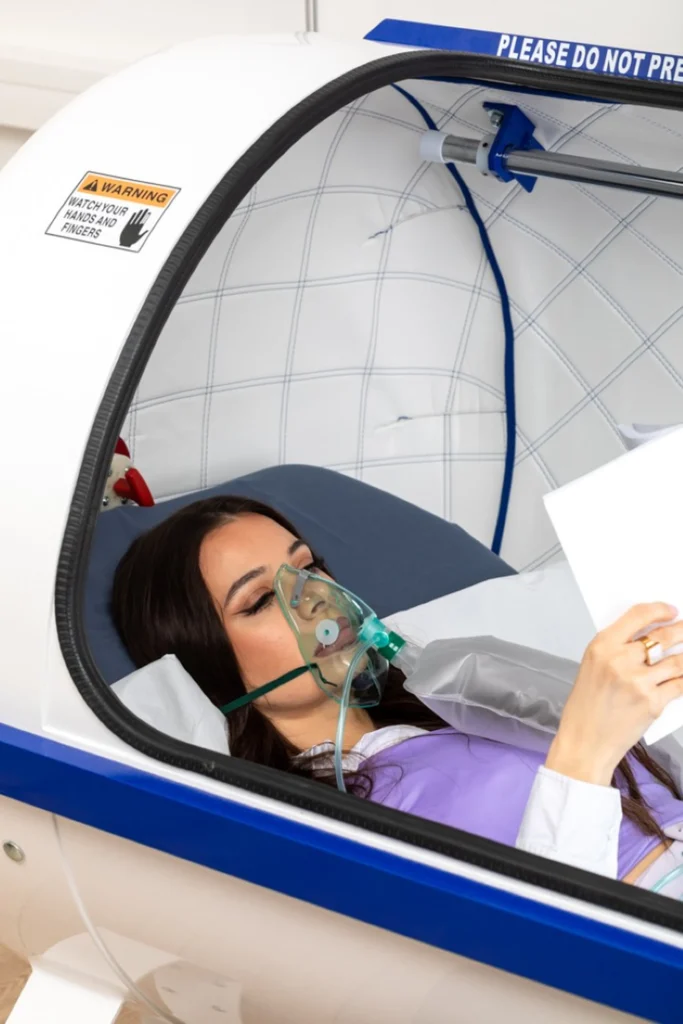
During treatment in a hyperbaric chamber, our body is exposed to a higher pressure than atmospheric, usually between 2 and 2.5 bars, which allows oxygen to dissolve in the blood plasma in much larger quantities than under normal conditions. This means that oxygen reaches deeper into the tissues, even to those parts of the body that are poorly supplied with blood due to illness, injury or poor circulation.
The results of HBOT’s effects on the body thus manifest as very powerful processes:
Due to the previously mentioned results of HBOT, there is a wide range of medical and everyday situations in which it could be useful and result in an improvement in the initial condition. Here are the most common examples:
In all conditions requiring urgent tissue oxygenation, such as severe hypoxia and ischemia, gas gangrene and embolism, and carbon monoxide poisoning, HBOT rapidly corrects oxygen deficiency.
In post-operative recovery or if you have suffered a more serious injury, HBOT can significantly speed up healing and reduce the risk of complications such as infections or tissue necrosis.
People with diabetes often have poor circulation, which can lead to difficult-to-heal wounds. HBOT improves tissue oxygenation and promotes regeneration, reducing the risk of amputations.
Research shows that hyperbaric therapy can aid in recovery after stroke, traumatic brain injury, and neurological diseases such as multiple sclerosis.
Many professional athletes use HBOT to speed up muscle recovery, reduce inflammation, and increase performance.
If you are feeling exhausted and low on energy, HBOT can help by increasing oxygen levels in the body, improving mitochondrial function, and reducing stress.
Many people experience long-term breathing problems, fatigue, and decreased exercise tolerance after COVID-19 infection. HBOT can help by improving oxygenation and lung tissue regeneration.
HBOT stimulates collagen production, reduces oxidative stress and improves circulation, which contributes to a fresher and healthier appearance of the skin.
Chronic infections, autoimmune diseases, and inflammatory processes can be alleviated by increased oxygenation, which helps the immune system fight pathogens and reduces chronic inflammation.
Video: The experience of a patient with rheumatoid arthritis and Raynaud’s syndrome after 10 visits to oxygen treatment in a hyperbaric chamber – a video posted on social media – can a link be embedded?
The number and frequency of treatments, or protocol, for each patient depends on the individual’s specific condition and the goal of the therapy. For faster recovery after injury or surgery, 5-10 treatments may be sufficient, while for chronic conditions, therapy may last longer. Each session usually lasts between 60 and 90 minutes.
Hyperbaric oxygenation is not just a therapy for extreme medical situations – it can be a valuable tool for improving overall health, speeding up recovery, and increasing energy. Whether you are involved in sports, recovering from an injury, struggling with chronic fatigue, or simply want to support your body’s health in the best possible way, HBOT can be a valuable addition to your lifestyle . svog organizma na najbolji mogući način, HBOT može biti vrijedan dodatak vašem životnom stilu.