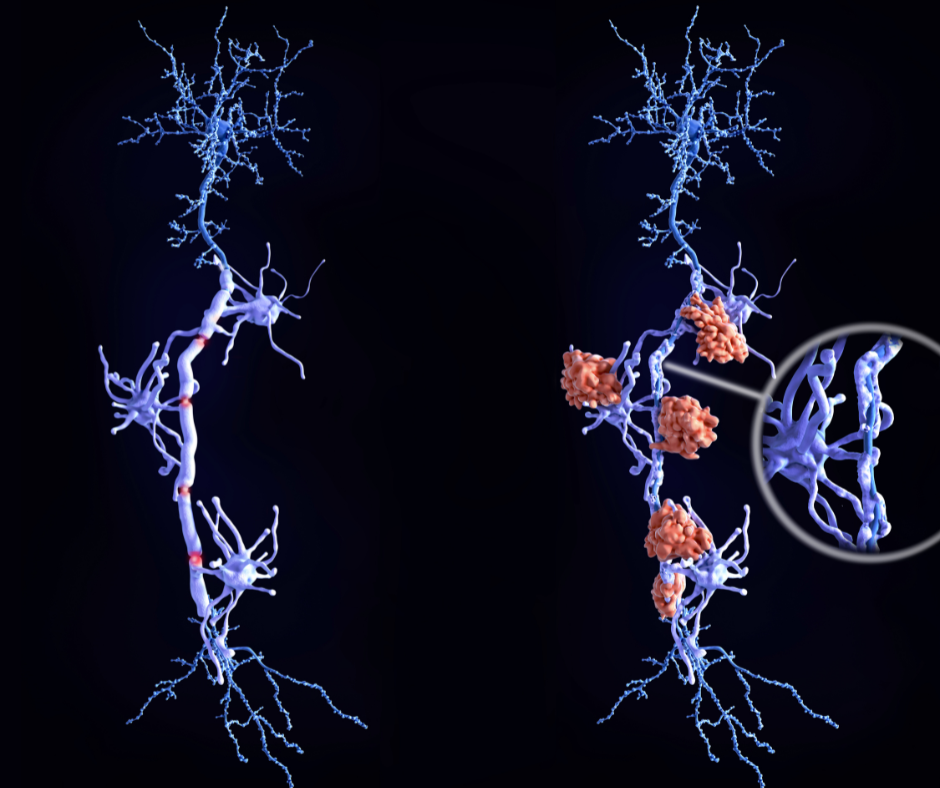
Multiple sclerosis (MS) is a chronic autoimmune disease that affects the central nervous system – the brain and spinal cord. Due to the variety of symptoms and course of the disease, it is often called “the disease with a thousand faces”. In MS, the immune system mistakenly attacks the myelin sheath, the protective layer that surrounds nerve fibers, which leads to a slowed or prevented transmission of nerve impulses and results in a variety of neurological symptoms.
According to the World Health Organization, it is estimated that around 2.5 million people worldwide suffer from MS . The disease is most common in North America, Western Europe and Australasia, with a prevalence of more than 100 patients per 100,000 inhabitants. In Croatia , according to a 2020 study, the number of patients is 7,024 , which indicates an increase compared to previous years ( Source ).
MS is most often diagnosed between the ages of 20 and 40 , affecting young people in their prime. Women are affected twice as often as men, with a ratio of approximately 2.5:1. The causes of this imbalance are not entirely clear, but it is thought that hormones, genetics and the way the immune system works in women may play a role.
The exact cause of MS is still not fully understood . It is thought that a combination of genetic predisposition, environmental factors, and immune disorders contribute to the development of the disease. Certain viral infections during childhood, such as the Epstein-Barr virus, can trigger an abnormal immune response that leads to damage to myelin. Vitamin D deficiency has also been linked to a higher risk of developing MS, which may explain the higher prevalence of the disease in areas with less sunlight.
Diagnosing MS can be challenging because there is no single specific test to confirm the disease. Doctors rely on a combination of methods:
The course of MS varies among individuals. Some patients have mild symptoms and long-term remissions, while others experience more rapid disease progression. There are several forms of MS:
Early initiation of therapy and a multidisciplinary approach can improve prognosis and quality of life.
Although there is currently no cure for MS, there are treatments that can slow the progression of the disease and reduce the frequency of relapses. Treatment includes:
It is important to note that treatment is individual and tailored to each patient, depending on the course of the disease and the symptoms present.
An integrative approach combines conventional methods with complementary therapies that can improve patients’ quality of life. Hyperbaric oxygen therapy (HBOT) involves breathing pure oxygen under elevated pressure in a hyperbaric chamber, which improves tissue oxygenation and reduces inflammatory processes. Although research is inconclusive, some patients report improvement in symptoms after HBOT .
Other integrative medicine methods that may help include:
Since the exact cause of the disease is unknown, there is no guaranteed way to prevent it. However, certain factors can help reduce the risk, such as maintaining a healthy lifestyle, spending time in the sun to get vitamin D, getting regular physical activity, and avoiding smoking.
Living with MS brings challenges, but with proper treatment and lifestyle adjustments, it is possible to maintain a high quality of life. Support from family, friends, and community, education about the disease, and involvement in patient organizations can significantly help in coping with the diagnosis.
Multiple sclerosis can be unpredictable, but with the right approach, patients can lead fulfilling and quality lives.
Note: This content is for informational purposes only and does not constitute medical advice or replace consultation with a professional healthcare professional.e predstavlja medicinski savjet niti zamjenjuje konzultaciju sa stručnim zdravstvenim djelatnikom.
Contact phone
Mobile phone

The first and only medical device of its kind in Croatia – this chamber represents the pinnacle of efficiency and comfort in therapy. It is designed to support the treatment of complex health conditions, as well as to enhance the body’s resilience and endurance.
Starting next month, you can personally experience its benefits and recommend it to those who matter most to you.